Biology study · Updated June 2026
How to Use AI to Learn Anatomy and Study Complex Visual Diagrams
Learn a safe, conceptual AI study workflow to digitize and annotate complex anatomical diagrams, muscle charts, and biological pathways.
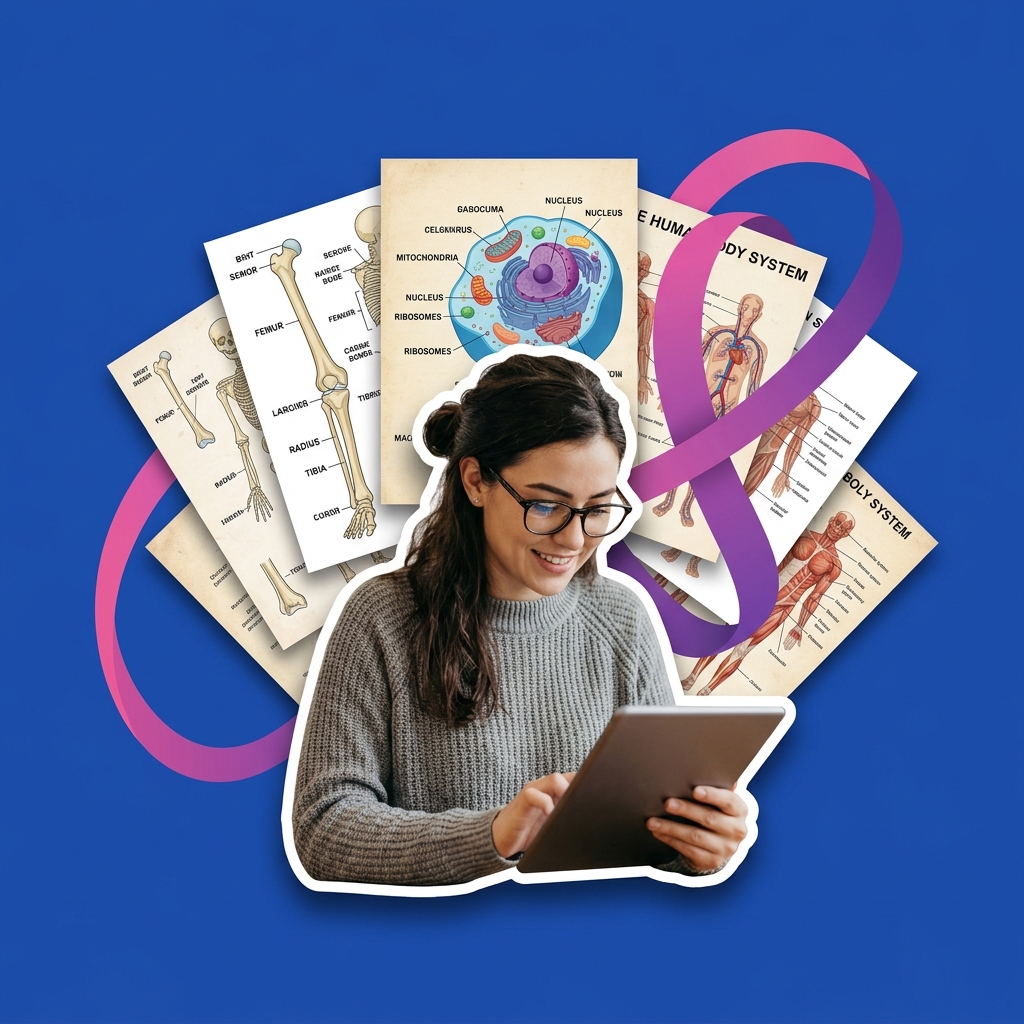
Anatomy and Physiology classes (A&P) require memorizing hundreds of bones, muscles, nerves, blood vessels, and metabolic pathways. Simply looking at static diagrams in a textbook is one of the most ineffective ways to prepare for high-stakes laboratory exams, where you are tested on physical tags pinned to real specimens.
To master anatomy, you must move from passive viewing to active labeling and descriptive retrieval.
AI image analysis tools can act as visual study assistants. You can upload unlabeled anatomical diagrams and use specific prompts to generate descriptive naming keys, explain the physiological functions of each structure, and create custom active recall description drills.
However, asking an AI to label your assignments or copying pre-balanced physiological pathways is a violation of academic integrity. The key is to use the AI to generate practice materials, which you must label and explain from memory.
Visual anatomy workflow with AI
- Digitize unlabeled diagrams: Scan the blank diagrams from your lab worksheets.
- Generate descriptive naming keys: Prompt the AI to list and define the visible structures.
- Connect structure to function: Instruct the AI to explain what each labeled part does physiologically.
- Practice effortful active recall: Test yourself by hiding the labels and writing down the names and functions from memory.
Active recall in visual learning sciences
Anatomy is a heavily visual discipline, making it easy to fall into the trap of passive familiarity. You think you know where the femoral artery is because you've looked at the diagram, but when presented with a blank model, your recall fails.
In Make It Stick: The Science of Successful Learning, cognitive scientists explain that effortful retrieval practice is the key to creating strong neural pathways. Instead of highlighting textbook pages, practice active retrieval. Use an AI to turn blank muscle charts into randomized description quizzes. Set up a physical gravity block timer to manage focused 25-minute active recall sprints, keeping your brain locked into high-intensity retrieval practice rather than passive reading.
The Visual Diagram Naming Prompt
To analyze a blank diagram and create a structured study key, upload the image to your AI assistant along with this prompt:
Act as an anatomy lab instructor. Analyze this blank, unlabeled diagram of [e.g., the human skull].

Please generate a structured study guide:
1. List the 5 to 10 most critical anatomical structures visible in this diagram.
2. For each structure, provide a brief 2-sentence description of its physical location relative to other parts (e.g., "Posterior to the frontal bone...").
3. For each structure, describe its physiological function (what it does or what passes through it).
4. Provide a numbered list of hints (without showing the names) that I can use to quiz myself.
Step-by-Step Anatomy Review
Step 1 — Clean the image
Make sure the diagram you upload is clear and free of handwritten answers. The AI needs high-contrast lines to accurately identify anatomical borders.
Step 2 — Verify the names
AI models are highly capable at recognizing standard medical diagrams, but they can occasionally misidentify small nerves or blood vessels. Always verify the AI's descriptive key against your class textbook.
Step 3 — Run the active recall quiz
Use the hints generated by the AI to test yourself:
Using the numbered hints you generated, ask me one question at a time about the location and function of a structure in the diagram. I will respond from memory, and you will evaluate my answer.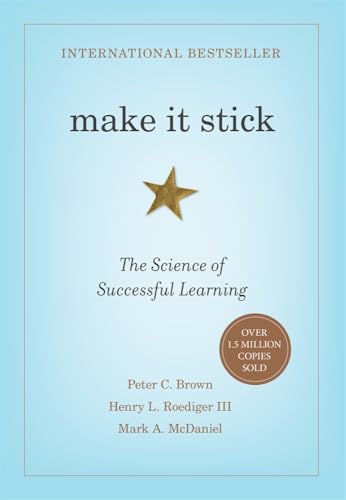
Make It Stick: The Science of Successful Learning
The gold standard for cognitive science learning. Learn how active recall, spaced repetition, retrieval practice, and varied study schedules dramatically improve retention over passive re-reading.
AI Study Pilot receives a small commission from qualifying Amazon purchases at no extra cost to you.Common mistakes
* Pasting copyrighted exam diagrams: Never upload actual exam questions or quizzes to public AI platforms. Use only standard textbook diagrams or blank lab worksheets.
* Memorizing the diagram layout, not the structure: AI models can help you understand the diagram, but remember that lab exams pin actual plastic models or cadavers. Focus on understanding the relative 3D location of the structure rather than its position on the flat page.
* Skipping spelling checks: Medical terminology requires precise spelling (e.g., "ilium" vs. "ileum"). AI models often accept close spellings that a human grader would mark incorrect. Always double check your spelling.
Disclosure: AI Study Pilot may add affiliate links later. We recommend free-first tools where possible and never promise guaranteed grades or outcomes.