AI reading helper · Updated May 2026
How to Summarize Textbook Chapters With AI Safely
Stop pasting entire textbook chapters. Learn the safe, source-grounded workflow to extract structure, definitions, and roadmaps without skipping learning.
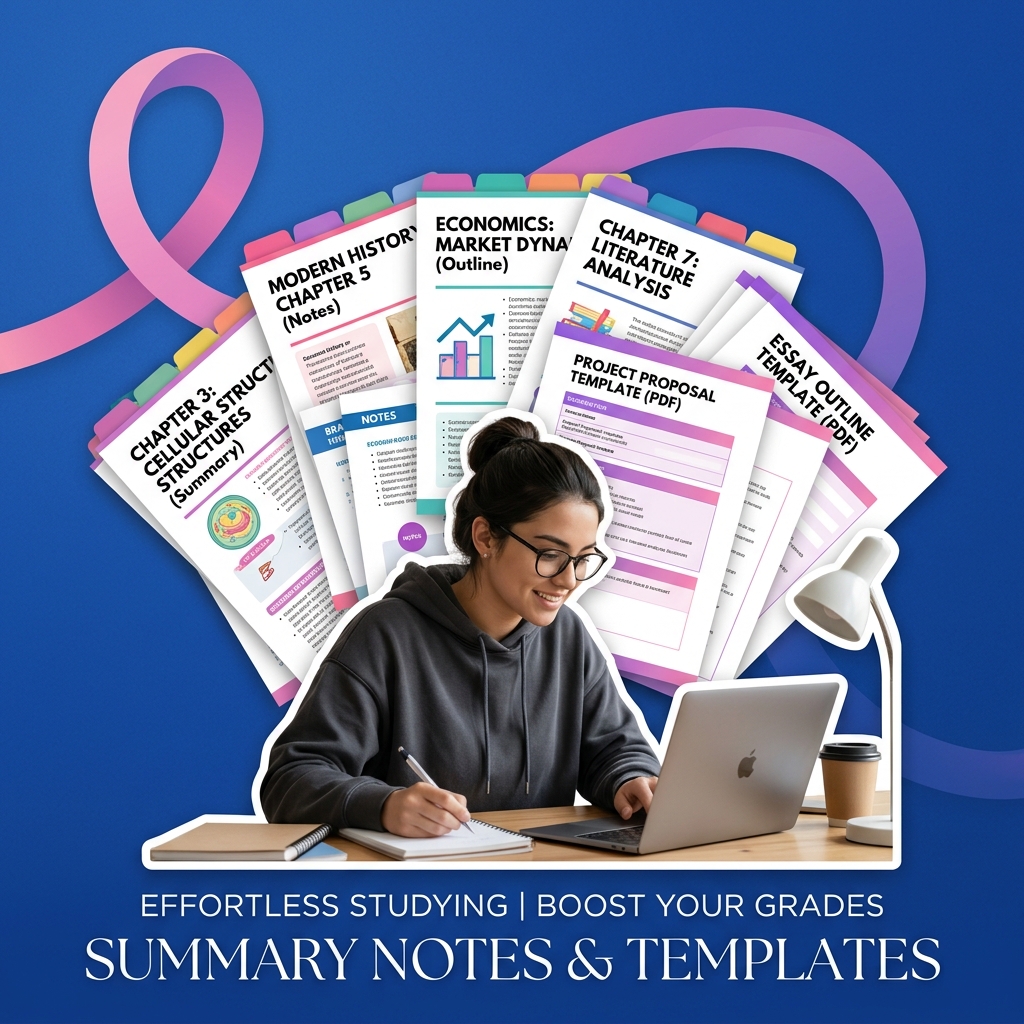
Pasting an entire textbook chapter into an AI tool and asking for a summary is a tempting shortcut. Within seconds, you get a bulleted list of definitions and key points.
However, bypass-style reading leads to low retention. Reading is not just about collecting facts; it is about building neural connections. The key is to use AI to augment your active reading: use it to construct structural outlines, clarify complex concepts, and generate comprehension questions, while doing the core reading and synthesis yourself.
Quick workflow for safe AI chapter reviews
- Outline first: Ask the AI to build a blank outline of key terms from the table of contents or syllabus.
- Read actively: Review the chapter headings and read the introduction and conclusion sections manually.
- Target difficult segments: Submit short, complex passages to the AI for plain-English explanations.
- Create vocabulary maps: Use AI to organize textbook definitions into active recall spreadsheets.
- Self-test: Generate conceptual quizzes from your notes to verify your understanding.
Study ergonomics matter
When reviewing long digital textbooks, posture and screen alignment are critical. Using an adjustable laptop or tablet stand lets you keep your reading material at eye level next to your study notepad, reducing neck strain and helping you focus during deep sessions.
Step 1 — Map the chapter's architecture
Before diving into details, understand the chapter's structure. This prepares your brain to categorize information.
Act like an academic reading coach. I am about to read a textbook chapter titled [chapter title] in my [class name] course. Based on typical curriculum topics, what are the 5 most important subtopics, vocabulary themes, or formulas I should look out for while reading? Do not summarize the chapter; give me a blank outline guide.This guide acts as a mental scaffolding before you open the book.
Step 2 — Clarify difficult explanations on the fly
If you encounter a paragraph or explanation that is too dense, ask the AI to break it down.
Explain this textbook passage in simpler terms for a beginner, but do not omit key technical terms:
"[paste difficult passage]"
Use this as a temporary tutor. Once you understand the passage, read it again in the textbook to lock in the context.
Step 3 — Generate concept connections
Ask the AI to explain the relationship between different sections of the chapter.
In my textbook chapter on [topic], how does [Concept A] connect to [Concept B]? Explain the cause-and-effect relationship in three clear bullet points.This helps you understand the bigger picture rather than just memorizing isolated definitions.
Step 4 — Build study tables for notes
Summarizing doesn't mean writing paragraphs of text. You can make active review tables.
- Core Concept: Active Recall · Textbook Definition: Retrieving info from memory to build neural paths. · Practical Example: Using flashcards instead of re-reading notes. · AI Explanation: Testing yourself to strengthen retention.
- Core Concept: Spaced Repetition · Textbook Definition: Reviewing material at expanding time intervals. · Practical Example: Reviewing a topic after 1 day, then 3 days, then 7. · AI Explanation: Expanding gaps between studies to prevent forgetting.
Step 5 — Verify your reading with a quiz
Once you finish your study notes, ask the AI to quiz you to verify your retention.
Act like a course instructor. Based on these reading notes I took: [paste your notes], generate 3 conceptual multiple-choice questions to test my understanding. Do not give the answers immediately. Wait for my response before checking.This ensures you are actively retrieving the information rather than passively reviewing summaries.
Common mistakes when summarizing textbooks
* Assuming the AI's summary is complete: AI summaries routinely miss case studies, footnotes, and specific diagrams that instructors love to include in exams.
* Pasting copyrighted material: Be mindful of your university's academic integrity policies regarding uploading copyrighted textbook files to public AI databases.
* Skipping the textbook entirely: A summary is a review tool, not a reading replacement. You must read the source material to build deep cognitive retention.

Lamicall Adjustable Laptop & Tablet Stand
A sturdy, fully adjustable desktop stand that improves viewing angles and posture during reading sessions, making long PDF and research reviews highly comfortable.
AI Study Pilot receives a small commission from qualifying Amazon purchases at no extra cost to you.Disclosure: AI Study Pilot may add affiliate links later. We recommend free-first tools where possible and never promise guaranteed grades or outcomes.